Seasonal Ant Activity and When to Schedule Pest Control Service
Understanding seasonal ant activity and when to schedule pest control helps homeowners protect their property, and local service providers can effectively handle these seasonal ant infestations.
Understanding seasonal ant activity and when to schedule pest control service can be essential for property owners looking to protect their homes and landscapes. As ants tend to become more active during specific times of the year, being aware of these patterns helps in planning effective pest management strategies. Local contractors who specialize in seasonal ant pest control can provide tailored advice and treatments that address the unique behaviors of ants throughout the year, helping to prevent infestations before they become problematic.
For property owners in the area, staying informed about peak ant activity periods can lead to more timely and efficient pest control efforts. Whether it’s early spring or late summer, scheduling services at the right moments ensures that ant populations are managed proactively. Connecting with experienced service providers who understand local seasonal trends can make a significant difference in maintaining a pest-free environment, giving homeowners peace of mind and reducing the risk of ant-related issues developing unexpectedly.
- Seasonal ant pest control - local service providers are often needed when ant activity increases during specific seasons, and they can tailor treatments to seasonal patterns.
- Spring ant prevention - local contractors can perform early-season inspections and treatments to prevent ant colonies from establishing indoors.
- Summer ant control - during peak activity periods, local pros implement targeted pest management strategies to reduce ant populations.
- Fall ant management - service providers can help address ant activity as colonies prepare for winter, offering solutions to minimize infestations.
- Timing for pest control services - local contractors recommend scheduling treatments based on observed seasonal ant behaviors to effectively manage activity peaks.

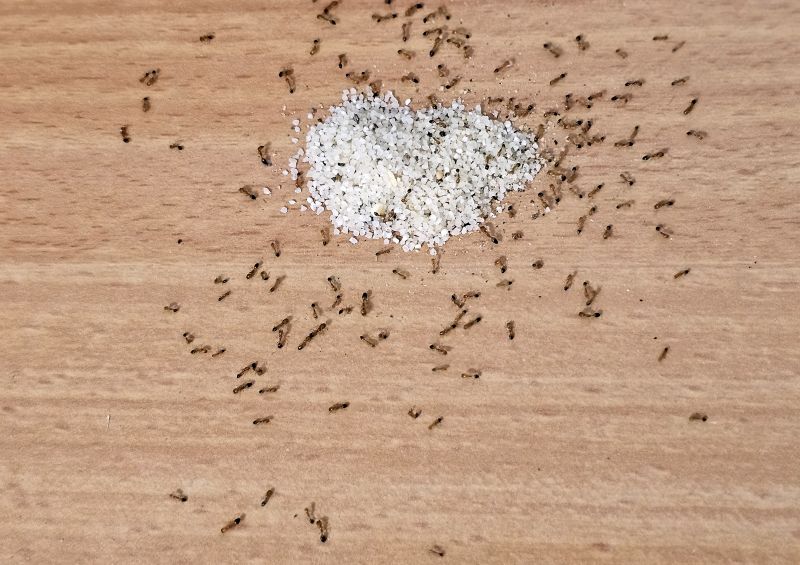
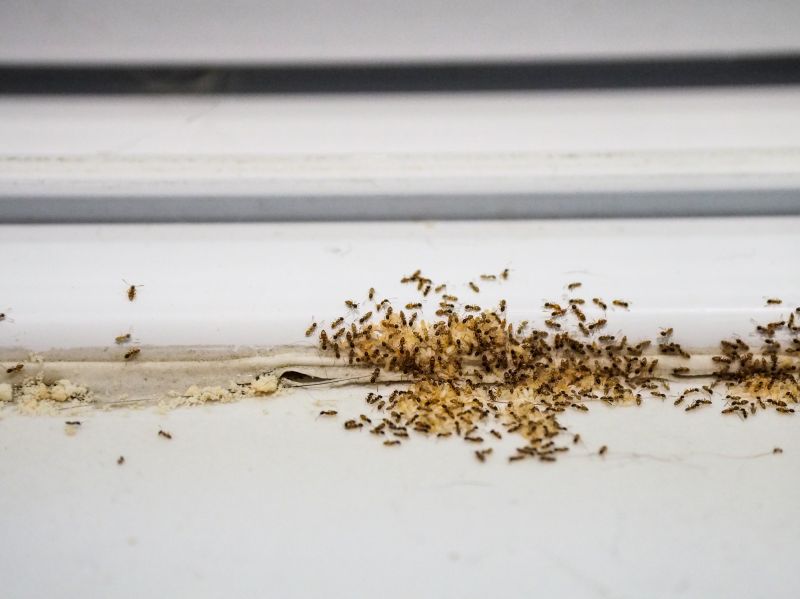
Understanding seasonal ant activity and when to schedule pest control service is a common concern among homeowners dealing with ant problems. Many people search for this topic to determine the best time to address ant infestations before they become overwhelming. Ant activity tends to fluctuate throughout the year, with certain seasons seeing increased movement and colony expansion. Recognizing these patterns helps homeowners plan pest control treatments proactively, reducing the risk of large colonies establishing inside or around the property. Local contractors who specialize in ant pest control are familiar with these seasonal trends and can advise on the optimal times to schedule treatments to prevent or manage infestations effectively.
This topic often relates to a variety of property types, including single-family homes, multi-unit residential buildings, and commercial properties. Many homeowners notice ant activity around kitchens, bathrooms, or entry points like door thresholds and window frames. In some cases, ant colonies can be nesting beneath decks, in garden beds, or within wall voids, making early intervention important. Seasonal ant activity can also be influenced by weather conditions such as increasing temperatures or rainy periods, which encourage ants to forage and expand their colonies. For property owners planning pest control, understanding these patterns ensures that treatments are timed to target ants when they are most active and vulnerable.
When exploring seasonal ant activity and the best times to schedule pest control, it’s important to recognize how local climate and environment influence ant behavior. In warmer months, ants tend to be more active, foraging for food and expanding their colonies. Conversely, during cooler seasons, their activity may decrease, but some species can remain active indoors year-round. Homeowners with properties in areas prone to seasonal fluctuations should work with local service providers who understand regional ant patterns. These professionals can recommend the right treatment schedule to align with peak ant activity periods, helping to keep the property protected throughout the year.
Connecting with local pest control service providers who understand seasonal ant activity can make a significant difference in managing ant problems effectively. These experts can assess the specific conditions of a property, identify the types of ants present, and recommend the most appropriate timing for treatments. Whether preparing for the peak activity season or addressing an existing infestation, professional pest control services are equipped to handle seasonal fluctuations in ant behavior. By scheduling treatments at the right times, homeowners can reduce the likelihood of persistent ant issues and maintain a pest-free environment around their home or property.
Landscape Maintenance Projects - These projects involve planning and executing yard care that can influence ant activity and pest entry points, requiring similar scheduling and site assessment skills as seasonal pest control.
Home Inspection Services - Inspections focus on identifying entry points and structural vulnerabilities that ants may exploit, aligning with the planning needed for effective pest management timing.
Exterior Pest Prevention Treatments - Applying barrier treatments around a property to prevent ant invasions involves similar timing considerations and knowledge of seasonal activity patterns as pest control services.
Gutter and Drainage System Cleaning - Proper maintenance reduces standing water and moisture sources that attract ants, paralleling pest control strategies that target seasonal activity peaks.
Wood Damage and Termite Inspection - Detecting wood infestations requires understanding seasonal pest behaviors, which complements knowledge of ant activity cycles for scheduling treatments.
Wildlife Exclusion Projects - Installing barriers to prevent animal entry can also reduce conditions that promote ant infestations, involving planning skills similar to those used in pest control scheduling based on seasonal activity.
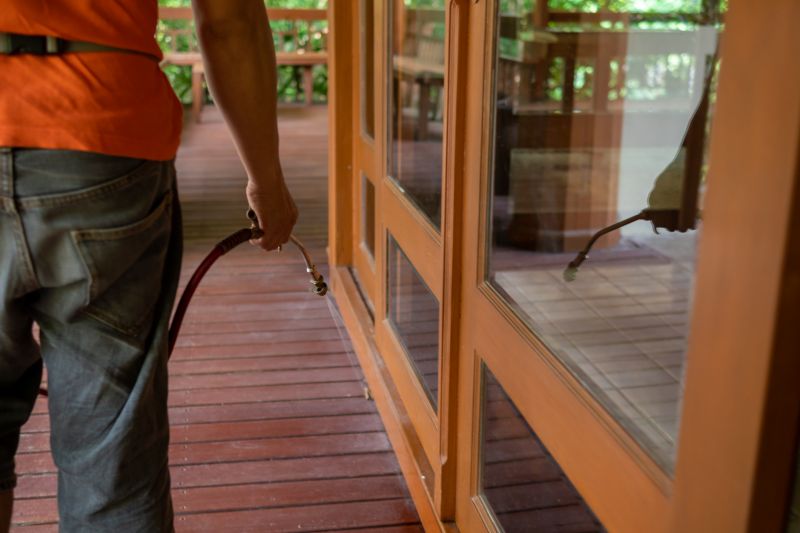
When evaluating service providers for seasonal ant activity and when to schedule pest control services, it is important to consider their experience with similar projects. Homeowners should inquire about how long a contractor has been handling ant pest control, particularly during peak seasonal periods, and whether they have experience addressing the specific types of ants common in the area. An experienced contractor will understand the patterns of seasonal ant activity and be better equipped to recommend effective timing for treatments, ensuring that pest control measures are applied when they are most likely to be effective.
Clear communication and setting expectations are crucial when selecting a local contractor for seasonal ant pest control. Homeowners should seek providers who are willing to explain their recommended treatment plans, including the timing of applications relative to ant activity cycles. A reputable service provider will provide straightforward information about what the treatment involves, what results to expect, and any necessary follow-up actions. This transparency helps homeowners make informed decisions and ensures that everyone is aligned on the scope and purpose of the pest control efforts.
Reputable references and good communication are key indicators of a dependable service provider. Homeowners are encouraged to ask for references or reviews from previous clients who have had similar seasonal ant issues. These insights can offer a better understanding of the contractor’s reliability and effectiveness in managing ant activity during specific seasons. Additionally, choosing a contractor who maintains open, responsive communication can lead to a smoother process, allowing homeowners to ask questions, clarify concerns, and receive timely updates on treatment schedules and results.
Property owners often search for seasonal ant activity and when to schedule pest control service when they are planning practical projects around their homes and businesses. Local pros provide Seasonal Ant Pest Control services for everyday jobs and straightforward project options.
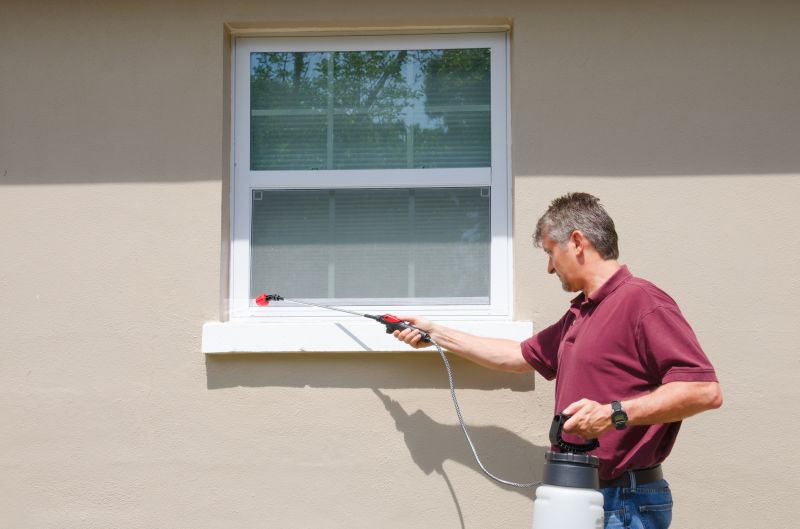

Understanding seasonal ant activity and when to schedule pest control service can help property owners stay ahead of potential infestations. Ant populations tend to become more active during certain times of the year, especially as temperatures rise and conditions become more favorable for their nesting and foraging habits. Recognizing these patterns allows property owners to plan treatments proactively, preventing larger problems before they develop. Local contractors experienced in seasonal pest control can assess the specific activity levels in a given area and recommend the most effective timing for treatments to keep ants from becoming a persistent nuisance.
Scheduling pest control services at the right time is essential for maintaining a pest-free property. During peak ant activity seasons, ants are more likely to invade homes and outdoor spaces, seeking food and shelter. Property owners often look for local service providers who can tailor treatments to seasonal needs, ensuring that ant populations are managed effectively. Connecting with local contractors who understand the local climate and ant behavior can help determine the best times for preventative and targeted pest control, reducing the chances of ongoing issues and protecting the property year-round.
When is seasonal ant activity most common? Seasonal ant activity typically peaks during warm months, especially in spring and summer, making pest control services more effective when scheduled ahead of these periods.
How do local contractors determine the best time for ant pest control? Local service providers monitor ant behavior patterns and environmental conditions to recommend scheduling pest control services before ant colonies become highly active.
Should pest control be scheduled before or after ant activity begins? Scheduling pest control before ant activity peaks can help prevent infestations, as local pros often advise treating early in the season for optimal results.
Are there specific seasons when ant activity decreases? Ant activity generally decreases during colder months, but some species remain active year-round, so professional treatment timing depends on local climate and ant species.
Why is timing important for seasonal ant pest control? Proper timing ensures that treatments target ants before they establish large colonies, which local contractors can help determine based on seasonal activity patterns.
Identify peak ant activity periods - property owners can observe seasonal patterns of ant behavior to determine optimal times for pest control services from local contractors.
Schedule preventive treatments ahead of ant surges - planning pest control before anticipated seasonal activity can help reduce infestations and protect homes.
Monitor outdoor conditions - keeping track of weather and environmental changes can guide when to seek seasonal ant pest control services from local experts.
Implement regular inspections - scheduling periodic evaluations during high activity seasons ensures timely interventions by local service providers.
If you are thinking about seasonal ant activity and when to schedule pest control service for a property, this guide is meant to help you understand this topic, the typical project types, and how different options might fit your plans.
When you are ready, you can use the quote form on this page to share a few details about your project. From there, local pros can review the basics and follow up with options that match what you have in mind.